From £65 Direct Access Hygiene book a hygienist without seeing a dentist first. See how it works
Dental Hygiene in High Wycombe
Professional dental hygiene treatment for healthier gums.
At Wycombe Dental Hub we recognise that healthy gums are the foundation of a healthy mouth.
Our experienced dental hygienists provide a wide range of hygiene treatment, with care tailored to you. We understand that every patient is different, with individual needs, and that achieving the best results requires a bespoke, personalised approach.
That's why the care we offer goes beyond a simple scale and polish. We offer a comprehensive array of treatment options from routine dental hygiene and Airflow stain removal to deep cleaning and non-surgical periodontal therapy.
Dental Hygiene treatment helps to:
- prevent and manage gum disease including gingivitis and periodontitis;
- remove plaque and tartar (calculus);
- remove staining
- keep your mouth feeling fresh and healthy.
Your hygienist is a vital part of the entire dental team, working closely with our dentists so that your teeth and gums can be looked after together under one roof at our modern High Wycombe practice.
Are you looking for a brighter, healthier smile?

Direct Access Hygiene – Standard Appointment
A professional clean for healthier teeth and gums. No check-up or referral needed first.
Direct Access Hygiene – Extended Appointment
A longer session, ideal if it's been a while since your last clean or you have heavier build-up.
On this page
Jump to what you need
New service
Gum health
Why should you see a dental hygienist?
The foundation of a healthy mouth is healthy gums.
Your teeth rely on the gums and bone around them for vital support. Think of this support as the anchor that holds each tooth firmly in place. If gum disease begins to damage the surrounding tissues and bone, that support can gradually be lost.
Keeping your gums healthy is therefore essential for protecting your natural teeth for the long term.
Plaque builds up on the teeth and around the gumline every day. If it is not removed effectively, the gums can become inflamed, appearing red, swollen or puffy. They may feel tender and can bleed when brushing or flossing, and sometimes spontaneously.
Over time, plaque hardens into calculus, also known as tartar, which can build up above and below the gumline. Once formed, calculus cannot be removed by brushing or flossing alone and requires professional cleaning.
If gum disease develops and is allowed to progress without treatment, the inflammation can begin to damage the tissues and bone that support your teeth. This damage can be permanent. As supporting bone is lost, teeth may become loose or start to move and, in advanced cases, can eventually be lost.
This is why prevention and early treatment of gum disease are so important.
Regular visits to the dental hygienist can help to:
- Prevent and manage gum disease
- Remove plaque and hardened calculus
- Reduce surface staining
- Keep your mouth feeling clean and your breath fresh
- Improve your daily cleaning routine
- Improve your confidence
- Identify changes in your gums that may need further attention
- Identify risk factors for gum disease and help you take steps to reduce them
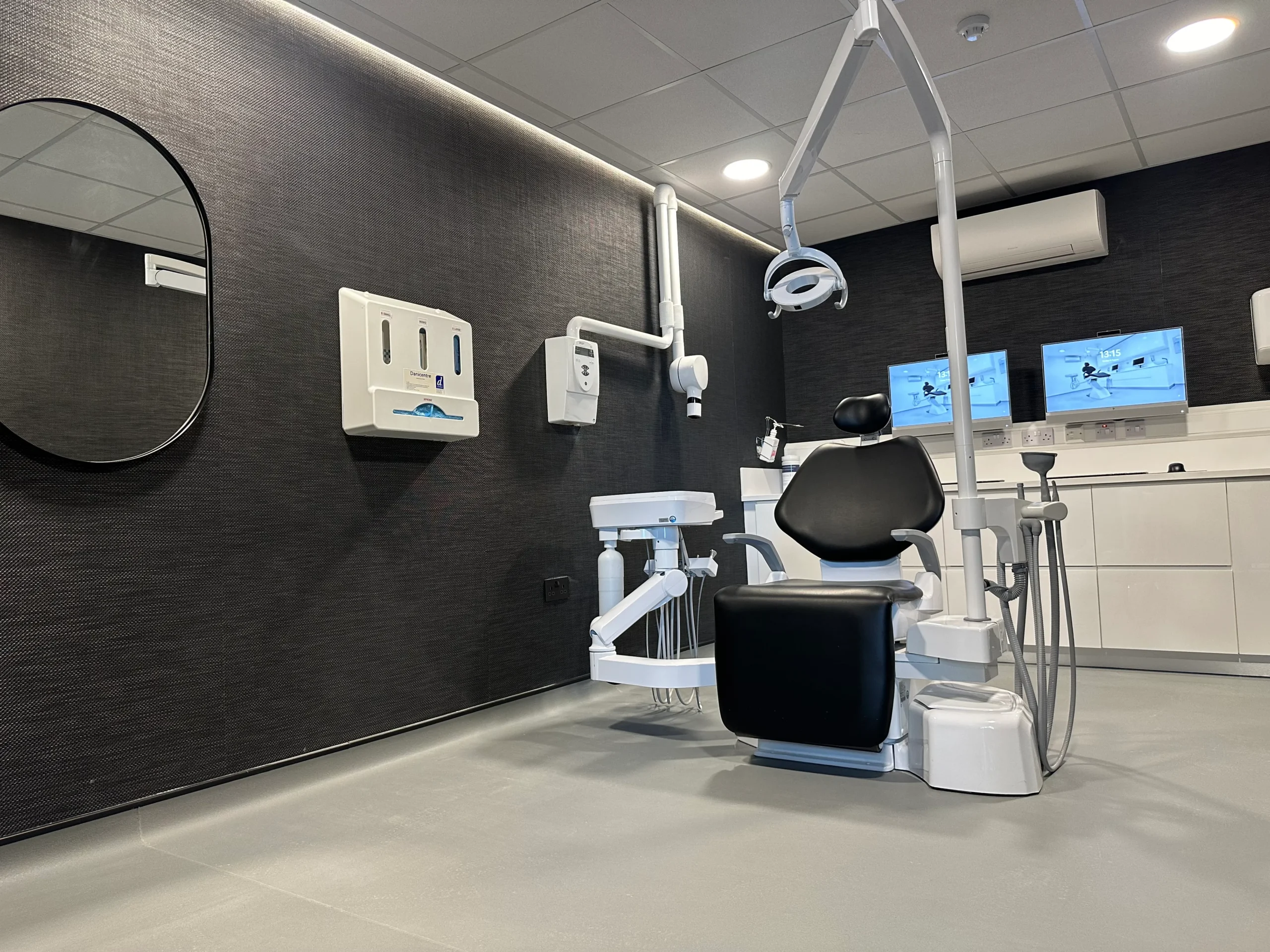
Our approach
Our approach to healthier gums
Professional treatment is only one part of maintaining healthy gums. What you do every day, between appointments, matters just as much.
We therefore focus on three areas:
01 | Treat
Your dentist and hygienist will assess your gums and provide the professional care they need.
For some patients, this may be routine cleaning to remove plaque and hardened calculus. Others may benefit from Airflow stain removal, deep cleaning or periodontal treatment to help manage gum disease. Treatment is tailored to your needs and can be adapted as your oral health changes.
02 | Educate
We place a strong emphasis on patient education, because the work you do at home has a significant influence on your long-term gum health.
Think of your hygienist a little like a personal trainer for your oral health. We can provide professional treatment, identify where improvements can be made and equip you with the right knowledge, techniques and tools. The results, however, also depend on putting that advice into practice between appointments.
Your hygienist can show you where plaque is accumulating and help you improve the way you care for your mouth, with practical guidance on:
Our aim is to give you the knowledge, confidence and practical skills to look after your teeth and gums effectively at home.
03 | Maintain
Good results require regular maintenance.
Your dentist and hygienist can recommend how often you should attend based on your gum health, dental history and individual risk factors. This may mean routine hygiene appointments every few months or closer monitoring following treatment for gum disease.
At each visit, we can review your progress, professionally remove new deposits, reinforce your home-care routine and adjust your treatment where needed.
Your hygienist is there to provide treatment, guidance and ongoing support, while helping you take an active role in protecting your own oral health.
Treat. Educate. Maintain.
Treatment options
What Dental Hygiene Treatments Do We Offer?
At Wycombe Dental Hub, we offer a wide range of dental hygiene treatments, from routine professional hygienist cleaning and Airflow stain removal to deep cleaning and non-surgical periodontal therapy.
Choosing the right treatment, however, is not simply a matter of selecting from a list. Every mouth is different. Your gum health, level of plaque and calculus, dental history, individual risk factors and what you would like to achieve all influence the care that is most appropriate for you.
Some patients need routine maintenance to keep healthy gums in good condition. Others may need help with stubborn staining or persistent calculus. If there are signs of gum disease, deeper treatment below the gumline may be required.
The right treatment is the one that is right for your mouth.
Your dentist and hygienist can assess your individual needs and recommend a tailored plan, which may include one or a combination of the following treatments:

Routine dental hygiene cleaning
Often referred to as Scale and Polishes, these regular maintenance cleanings are for patients with generally healthy gums who attend routinely and have normal levels of plaque and calculus build-up. Your hygienist will professionally remove these deposits with ultrasonic scaling and polishing, where appropriate, to help maintain healthy gums and prevent problems from developing.
Airflow stain removal
Airflow uses a controlled combination of air, water and fine powder to remove surface staining and deposits from the teeth. It can be particularly effective for staining associated with tea, coffee, red wine, smoking and strongly coloured foods, leaving the teeth looking cleaner and brighter.
Airflow can also be useful for cleaning around areas that may be more difficult to access, including braces, crowns and bridges.
Deep cleaning
When there is more extensive plaque and calculus build-up, a routine hygiene appointment may not be enough.
Think of it as a spring clean for your teeth and gums. Deep-cleaning appointments are longer, giving your hygienist more time to carry out the more advanced cleaning your mouth needs. This may include cleaning beneath the gumline and around the roots of affected teeth, including root surface debridement or root planing where appropriate.
Treatment may focus on one area or involve the whole mouth. Local anaesthetic can be used where needed to keep you comfortable. If several areas require treatment under local anaesthetic, your deep cleaning will often be spread across 2 or more sessions. If only one localised area needs treatment, a single appointment may be sufficient. Please refer to your personalised treatment plan for the number and length of appointments recommended for you.
Non-surgical periodontal treatment
For patients with more advanced periodontitis, we can provide a structured course of non-surgical periodontal treatment to help control the disease and protect the tissues and bone supporting your teeth.
This is the most advanced level of non-surgical gum treatment we offer and may include thorough cleaning below the gumline, root surface debridement or root planing, together with personalised oral hygiene instruction. Treatment is often carried out over several appointments and with local anaesthetic, depending on the extent of the disease.
The aim is to control inflammation; reduce harmful plaque and calculus deposits and help to prevent tooth loss.
Following treatment, your gums will need to be reassessed. If the disease does not respond sufficiently to non-surgical treatment, further periodontal treatment, including surgical options, may need to be considered with an appropriately experienced dentist or specialist.
Periodontal care does not end with the initial treatment. Regular periodontal maintenance and effective daily cleaning are essential for helping to keep the disease under control and protect your teeth for the long term.
Periodontal maintenance
If you have previously been treated for gum disease, regular maintenance appointments can help keep it under control.
Your hygienist can monitor your gums, professionally remove new plaque and calculus deposits and reinforce the areas of your home routine that need attention. Regular assessments with a periodontist (dentist who focuses on the treatment of gum disease) may also be required.
The frequency of your appointments will depend on your individual risk and how your gums respond to treatment.
Fluoride treatment
Professional fluoride varnish can help strengthen teeth and protect against tooth decay. It contains a much higher concentration of fluoride than standard toothpaste and is professionally applied to vulnerable areas of the teeth, particularly where there is an increased risk of decay.
Fissure sealants
Fissure sealants are thin protective coatings applied to the deep grooves of certain teeth.
They seal areas where plaque and food can become trapped, making the tooth easier to keep clean and helping to prevent tooth decay.
Stain removal
Tooth Stain Removal in High Wycombe
At Wycombe Dental Hub, we offer a range of treatments to remove or improve tooth staining and discolouration.
The right treatment depends on the type and cause of the staining.
Surface staining
Tea, coffee, red wine, smoking and strongly coloured foods can gradually stain the surfaces of your teeth.
A routine hygiene clean can remove many surface stains alongside plaque and calculus. For heavier or more stubborn staining, Airflow stain removal can be added for a more thorough clean.
Airflow uses a controlled combination of air, water and fine powder to remove external staining, helping your teeth look cleaner and brighter.
Want whiter teeth?
Professional cleaning and Airflow remove surface staining, but they do not change the natural colour of your teeth. If you would like to lighten the shade of your teeth, we also offer professional teeth whitening.
Staining within the tooth
Not all discolouration is on the surface. A tooth may, for example, become darker following root canal treatment. This type of discolouration cannot simply be polished away and may require a different approach.
Depending on the cause, treatment options may include internal whitening, composite bonding or porcelain veneers.
Not sure what is causing your tooth staining or which treatment is right for you?
Book an appointment with one of our dentists. They can assess the cause of the discolouration and recommend the most appropriate treatment for you.

Planning your care
What type of hygiene treatment do you need?
You do not need to work this out yourself.
The treatment and appointment length your dentist recommends will depend on several factors. These may include:
- Plaque and calculus build-up: how much has accumulated and whether deposits extend below the gumline.
- Your gum health: whether gum disease is present and, if so, how advanced it is, including any loss of supporting bone.
- Sensitivity: whether you would benefit from local anaesthetic to keep treatment comfortable.
- Tooth staining: the amount and type of staining, and how much time may be needed to remove it effectively.
- Ongoing maintenance: your dental history, individual risk factors and how frequently you may benefit from professional hygiene care.
A longer appointment does not necessarily mean you have gum disease. For example, you may have healthy gums but extensive or stubborn staining that requires additional time to remove thoroughly.
Your dentist can assess your teeth and gums and recommend a personalised hygiene treatment plan, including the most appropriate treatment and appointment length for you.
Experienced clinicians. Bespoke treatment.
Why choose Wycombe Dental Hub for Dental Hygiene?
Treatment tailored to you
From straightforward maintenance to advanced gum care, you receive the level of treatment bespoke to your needs.
Experienced team
Our skilled hygienists work alongside a multidisciplinary team of dentists.
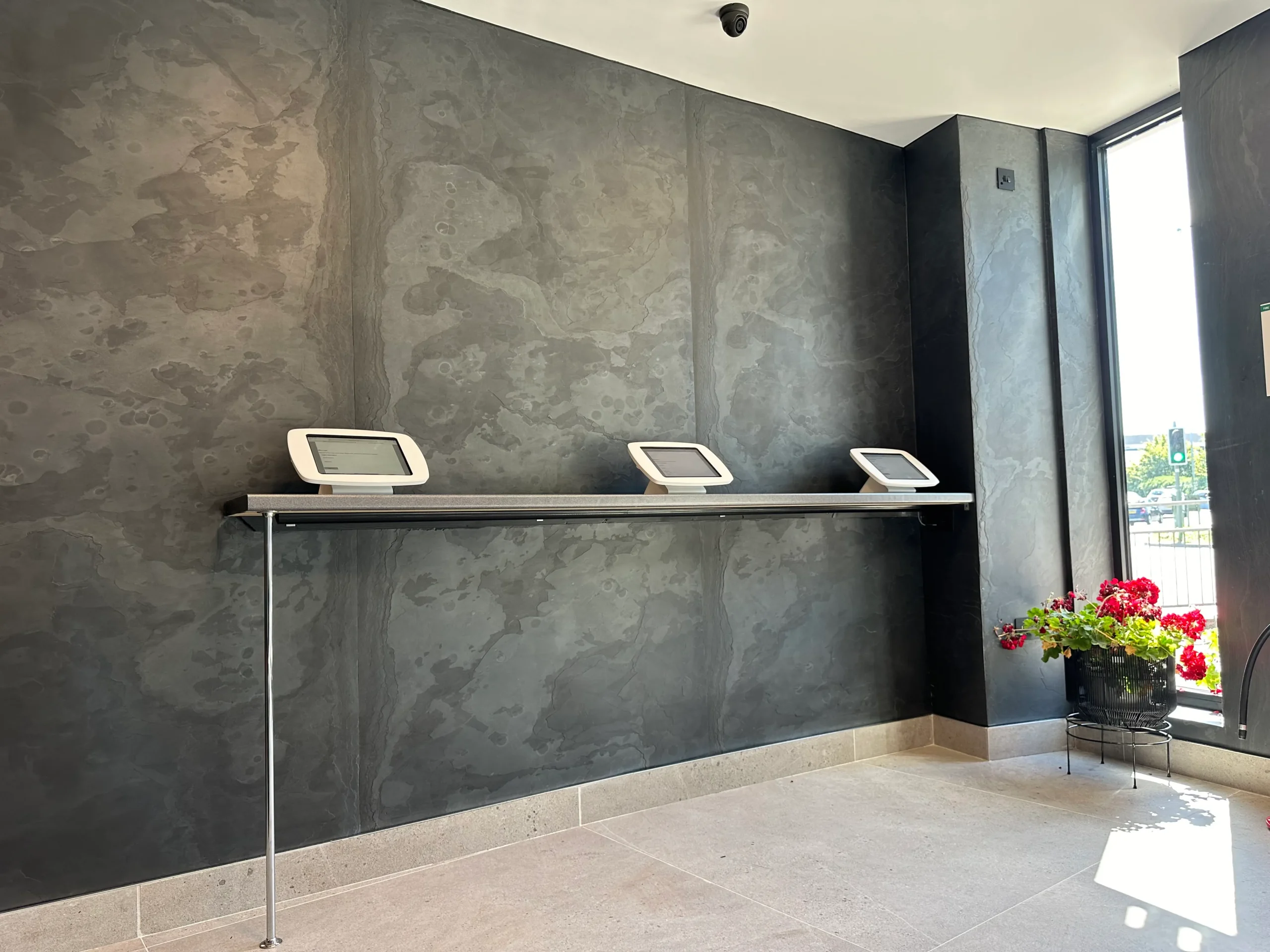
Advanced technology
We have invested in the best dental technology and high-quality professional equipment to support effective, comfortable care.
Treatment under one roof
Access to a wide range of general, periodontal and cosmetic dental treatments should you need further care.
Not your typical dental practice
A large, contemporary and beautifully designed practice, created to make sure patients feel calm and comfortable.
Appointments that fit around you
Modern life is busy, so we make accessing dental care easier. We are open every day, including late evenings, weekends and bank holidays, with appointments available 365 days a year.

Conveniently located
Find us in the centre of High Wycombe on Oxford Street, with nearby plentiful parking, excellent transport links and the train station just a few minutes away.
High quality. Great value.
We work hard to keep our fees competitive and accessible, without compromising on clinical standards, technology or patient experience.
How to book
How to book with your hygienist treatment
Already a regular patient with us?
Simply continue with the hygiene appointments recommended in your personalised care plan.
New to Wycombe Dental Hub, or not seen one of our dentists recently?
There are two ways to access our dental hygiene service:
Option 1 — Recommended
Start with a dental check-up
For the fullest picture of your oral health, we recommend having a dental check-up first. Your dentist can assess your teeth and gums, diagnose any problems and create a personalised hygiene plan based on what you need.
Where appropriate, X-rays can provide further information, including the bone supporting your teeth. Had recent X-rays elsewhere? Send them to us in advance of your check up so your dentist can review them.
After your check-up, your dentist and hygienist can then work together to provide coordinated care, from the right hygiene treatment through to ongoing maintenance.
Patients who have their dental check-ups with us and attend regular hygiene appointments can also access our best hygiene rates in High Wycombe, with 3-monthly hygiene visits starting from just £45.
Option 2
Book a Direct Access hygiene appointment
Prefer to see the hygienist directly? You can.
Our Direct Access Dental Hygiene service allows you to book a hygiene appointment without seeing one of our dentists first or being an existing patient of the practice.
Direct Access offers greater flexibility, but it does not replace a full dental examination. There are also some differences in how your care is provided.
Read on to learn how Direct Access works and whether it is right for you.
Direct Access Dental Hygiene
At Wycombe Dental Hub, we understand that our patients want high-quality professional dental care that is also convenient, accessible and easy to fit around busy lives. That's why we offer Direct Access Hygiene in High Wycombe, allowing you to book directly with one of our experienced dental hygienists without seeing a dentist first or needing a referral.
Is it for you?
Direct Access Hygiene is a convenient option if you:
- Already have a dentist elsewhere but would like to see a hygienist at Wycombe Dental Hub,
- Are temporarily away from your usual dental practice,
- Have recently moved to High Wycombe, or
- Want to continue the regular hygiene schedule you have been following with another practice or hygienist.
- Want convenient, great-value access to professional hygiene care without needing a referral or dental check-up first.
How it works
What is Direct Access Hygiene?
Direct Access simply means booking a hygienist appointment without seeing a dentist first.
During your appointment, our hygienist will review your relevant medical and dental history, assess your gum health and provide professional hygiene treatment. This can include the use of ultrasonic scalers and hand instruments to remove plaque and calculus (tartar), followed by polishing where appropriate, as well as advice to help you look after your teeth and gums at home.
Our aim is to help you maintain healthier gums, cleaner teeth and a fresher, brighter smile.
An important consideration with Direct Access
As we cannot assess you before a Direct Access appointment, we cannot know in advance exactly what treatment you will need or your suitability.
In rare cases, your hygienist may be unable to start or complete treatment, for example due to your medical history or an urgent dental problem requiring a dentist's assessment or referral first.
In such cases: the full appointment fee will still apply, as the clinical time has been reserved for you and includes your assessment.
To reduce the chance of inconvenience or disappointment, we recommend a dental check-up first wherever possible.
Book direct
Choose Your Direct Access Hygiene Appointment
We offer two appointment lengths:
Standard Direct Access Hygiene
Includes a review of your medical and dental history, assessment, consent, professional cleaning and personalised advice.
Extended Direct Access Hygiene
The same appointment type with 10 additional minutes, ideal if you usually have longer hygiene appointments, have heavier staining or deposits, or would simply prefer more time.
Please note: Appointment times include assessment and discussion, not cleaning alone. Further treatment may be recommended and incurs additional charges.
Before you book
Should I see a dentist before the hygienist?
Wherever possible, we recommend seeing a dentist first. Direct Access Hygiene does not replace regular dental check-ups.
- Why see a dentist first? Your dentist can assess your teeth, gums and wider oral health, diagnose problems and arrange X-rays where appropriate. Together, your dentist and hygienist can then provide personalised, coordinated care.
- When is a check-up particularly important? If you have gum disease, toothache, swelling, loose or broken teeth, or another dental concern, we recommend seeing a dentist first.
- Still Prefer Direct Access? You can still book directly with our hygienist. If anything needs further investigation or treatment, they will advise you on the next step.
Not sure what you need?
Book a dental check-up. Your dentist can recommend the right treatment for you.
FAQs
Dental Hygiene Frequently Asked Questions
1. Do I need to see a dentist before a hygienist?
Not necessarily. We offer Direct Access Hygiene, allowing you to book directly with a hygienist without seeing a dentist first.
Wherever possible, however, we recommend having a dental check-up first. Your dentist can assess your teeth, gums and wider oral health, arrange X-rays where appropriate and provide a personalised hygiene treatment plan.
2. How do I access the best hygienist prices at Wycombe Dental Hub?
Our best hygiene rates are available to regular patients who keep up with their recommended dental check-ups and hygiene appointments.
Step 1 | Book a dental check-up. Your dentist will assess your teeth and gums and recommend the right hygiene care for you, with X-rays taken where appropriate.
Step 2 | Attend your first hygiene appointment. If it is your first hygiene appointment with us, or you have not attended for some time, routine hygiene treatment starts from £65.
Step 3 | Keep up with your recommended care. If your dentist recommends 3-monthly routine maintenance, you can then access routine hygiene appointments from just £45, provided you keep up with your recommended 3-monthly hygiene appointments and yearly dental check-ups.
Please note: The £45 rate is for routine scale and polish maintenance appointments. If you need additional treatment time, deep cleaning or more extensive periodontal treatment, different fees will apply.
3. How often should I see a dental hygienist?
The most common interval is every 3 to 6 months, although this varies depending on your gum health and individual needs. Your dentist or hygienist will recommend the most appropriate frequency for you.
4. What type of hygiene appointment do I need?
This depends on your gum health, plaque and calculus levels, staining, sensitivity and treatment needs.
You may need routine maintenance, a longer hygiene appointment, Airflow stain removal, deep cleaning or periodontal treatment.
Unsure what you need? We recommend booking a dental check-up first so your dentist can assess you and provide a personalised treatment plan.
5. How long is a hygienist appointment?
Appointment length depends on the type of treatment you need.
Direct Access Hygiene
- Standard Direct Access Hygiene: 20 minutes
- Extended Direct Access Hygiene: 30 minutes
Hygiene following a dental check-up
- Routine 3 or 6-monthly scale and polish: usually 15 minutes
- Deep cleaning: usually 30–40 minutes per session
- Non-surgical periodontal therapy (NSPT): usually 45 minutes per session
Deep cleaning and periodontal treatment may require more than one session, depending on the amount and extent of treatment needed.
Please note: These appointment times are a guide. The exact treatment and appointment length you need will depend on your individual clinical needs. Your dentist can assess your teeth and gums and recommend the most appropriate treatment and appointment length for you.
Appointment times include assessment and discussion, not cleaning alone.
6. Will all my cleaning be completed in one Direct Access appointment?
Not always. One limitation of Direct Access is that we have not assessed you before you book, so it is not always possible to know exactly what treatment you need or how much time will be required.
Your hygienist will endeavour to provide as much appropriate treatment as possible within your booked appointment. In most cases, treatment can proceed, although a further hygiene session may be recommended if additional time or treatment is needed.
It is very rare that your hygienist will be unable to treat you at all or need to stop treatment during the appointment. Where this does happen, it will usually be because something is identified that requires assessment by a dentist before hygiene treatment can safely or appropriately continue.
This is one reason we recommend a dental check-up first where possible. It allows your needs to be assessed, and the right treatment planned in advance, helping to avoid inconvenience or disappointment.
Further treatment and dental assessments incur additional charges.
7. Why are my gums bleeding?
Bleeding gums are often a sign of gum inflammation or gum disease. If your gums bleed regularly, we recommend seeing a dentist for an assessment.
Gum bleeding can also be impacted by factors such as pregnancy and hormonal changes, certain medications and some medical conditions.
Your dentist can assess the cause and recommend the appropriate treatment for you.
8. Does hygienist treatment hurt?
For most patients, routine hygiene treatment is comfortable. You may experience some sensitivity if you have inflamed gums, gum recession, exposed root surfaces, heavy calculus or gum disease.
Your hygienist will work carefully to keep you comfortable. For deeper or more sensitive treatment, local anaesthetic may be recommended and will require a prescription from your dentist.
9. Is Airflow the same as teeth whitening?
No. Airflow is a professional cleaning treatment that uses a controlled combination of air, warm water and fine powder to gently remove plaque and external surface staining, such as stains from tea, coffee, red wine and smoking.
It can leave your teeth looking cleaner and brighter but does not change their natural colour. Teeth whitening is a cosmetic treatment that uses a professional whitening gel to lighten the natural shade of your teeth.
10. What happens if my hygienist finds a problem during my Direct Access appointment?
Your hygienist will explain any concerns and advise you on the appropriate next step. This may include further hygiene treatment or an assessment with a dentist or periodontist.
In rare circumstances, your hygienist may identify something that means they are unable to start or continue treatment safely or appropriately until you have been assessed by a dentist.
For Direct Access appointments, the full appointment fee still applies even if hygiene treatment cannot be carried out or completed, as the clinical appointment time has been reserved for you and includes your assessment.
This is another reason we recommend a dental check-up first wherever possible. It allows any problems to be identified, and the right treatment planned in advance, helping to avoid unnecessary inconvenience or disappointment.